

Nayarit is home to one of nature’s most impressive encounters
Every winter, humpback whales arrive along the coast of Nayarit after traveling thousands of miles from their home in the North Pacific.
Bahía de Banderas, Compostela, and San Blas-Isla Isabel are among the areas officially recognized for whale watching these magnificent marine mammals.
Where can you have the best whale watching experience in Mexico?
Some trips depend on a single encounter. Between December and March, the coast of Nayarit welcomes humpback whales that travel thousands of miles from the North Pacific to seek warmer waters in Mexico and fulfill an essential part of their life cycle: reproducing, giving birth, and caring for their calves.
Whale watching in Nayarit offers the opportunity to get close, from a boat and under the conditions established for this activity, to one of the most remarkable migratory phenomena that takes place every year along the coast of Mexico.
Three coastal settings in Nayarit
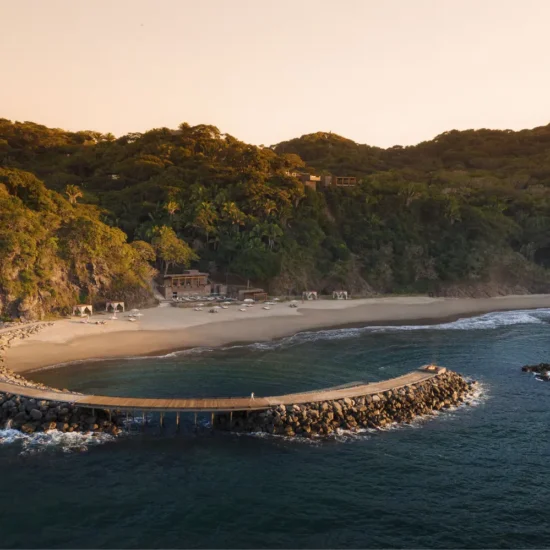
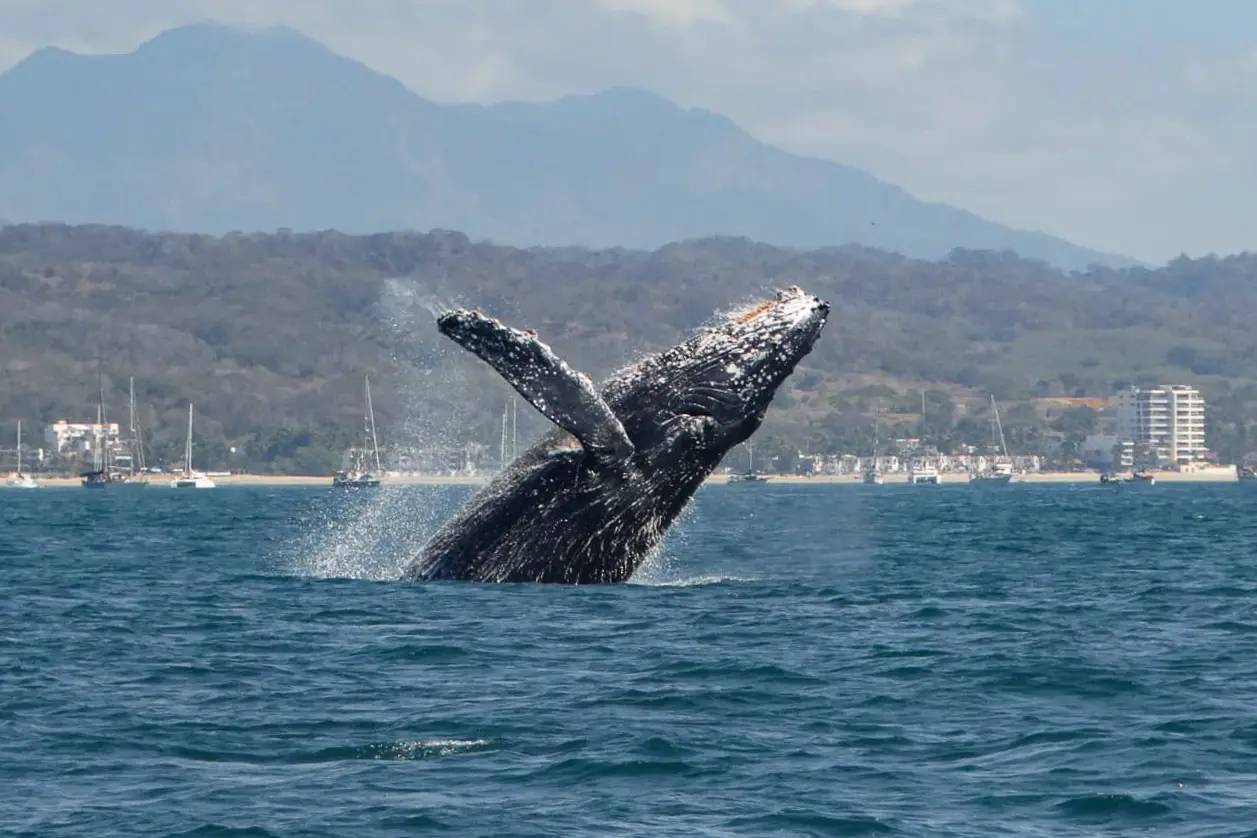
The humpback whale watching season extends across different areas of Nayarit’s coastline. Along the coast of Bahía de Banderas, these areas include Nuevo Vallarta, Bucerías, Punta Mita, Sayulita, and Guayabitos.
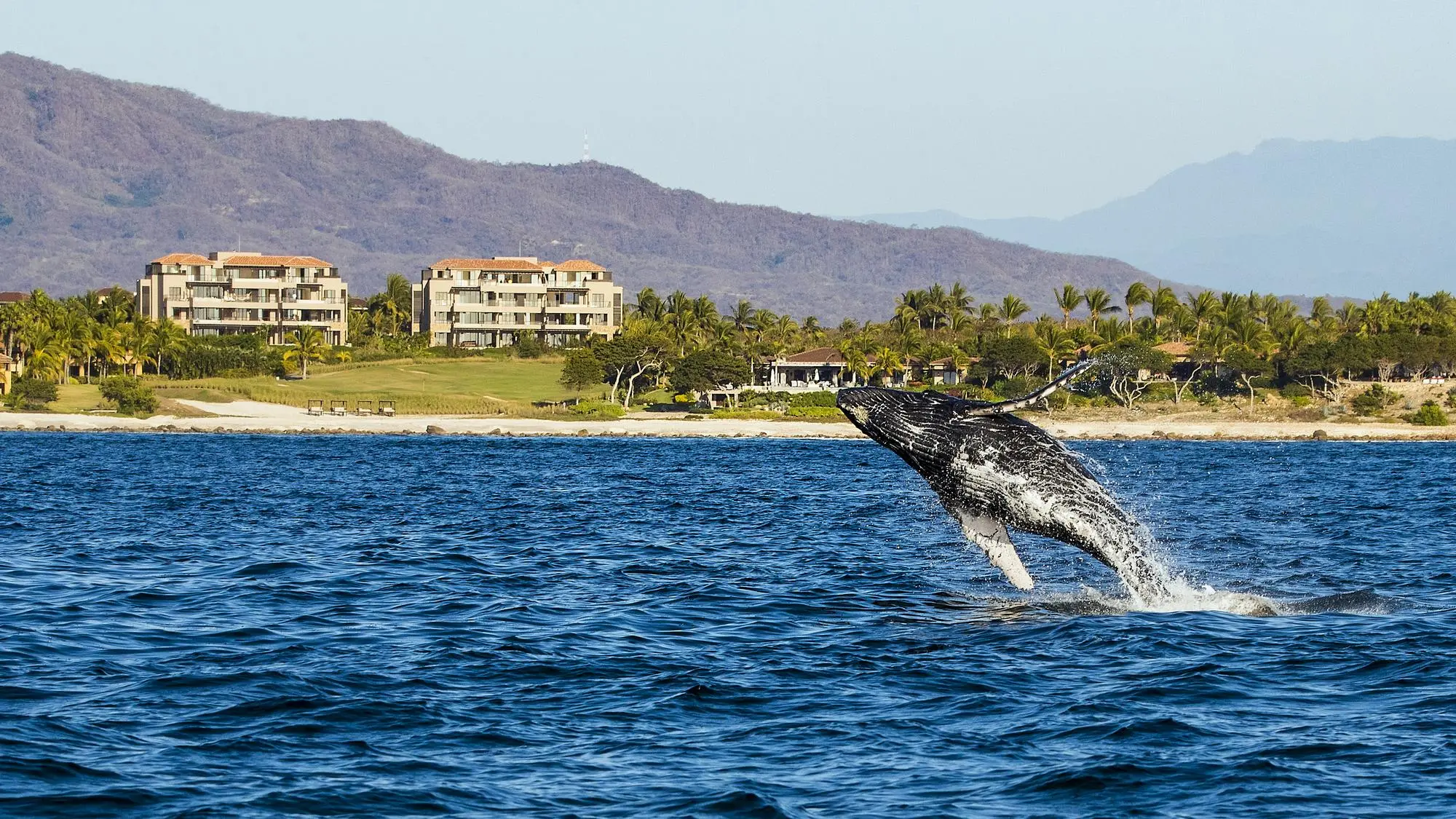
These cetaceans can be observed in a setting surrounded by mountains, beaches, and the landscape of the Marietas Islands. This area also records the presence of mothers with calves, which is why there are special areas where whale watching is restricted to protect these groups.
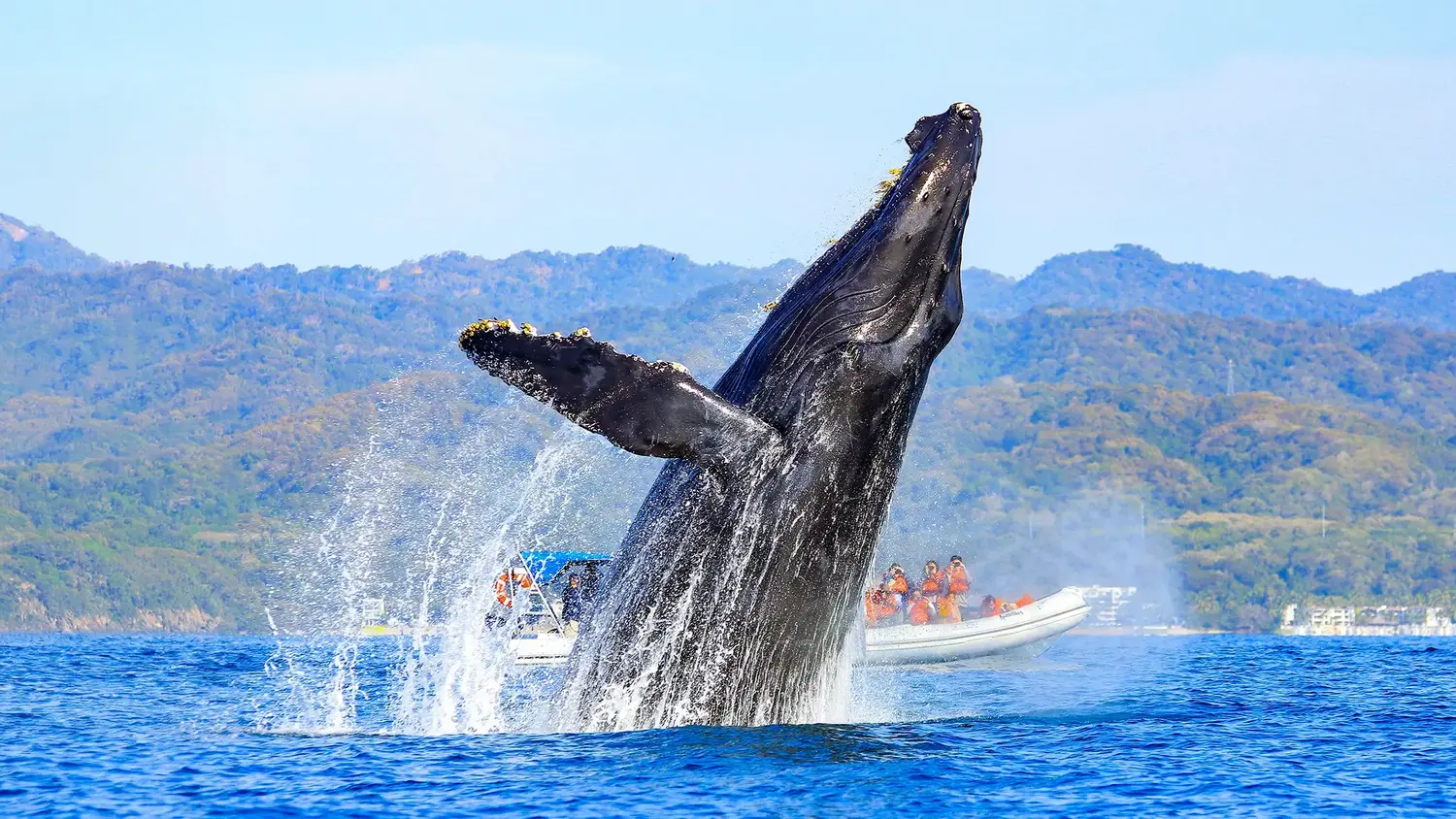
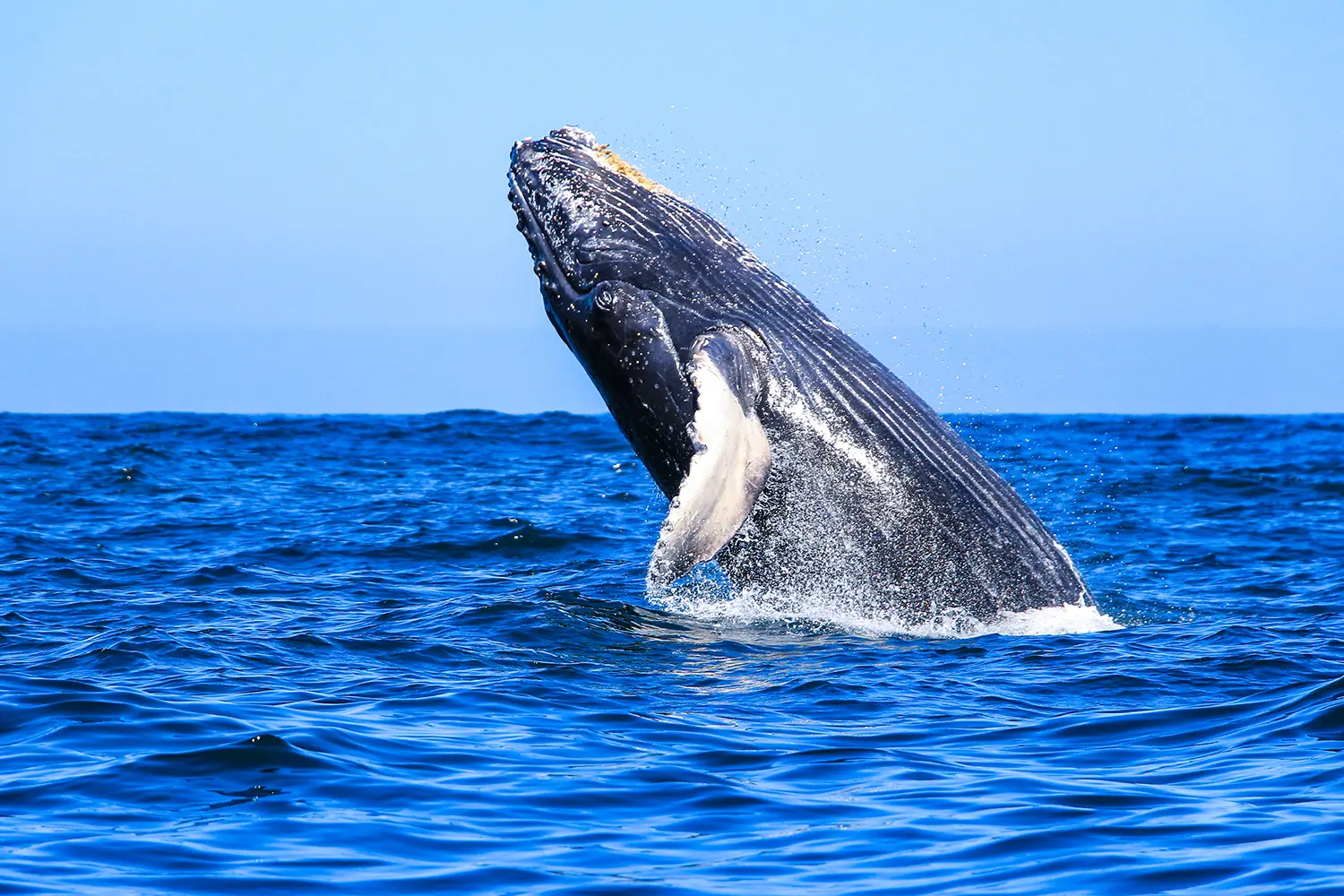
According to the municipality’s tourism department, tours for this activity are available daily during the season and usually last up to 4 hours. During the journey, visitors can witness impressive behaviors from these majestic creatures, including spectacular jumps and acrobatic movements as they launch themselves out of the water and land on their backs.
In the municipality of Compostela, the authorized area includes Rincón de Guayabitos, La Peñita de Jaltemba, and Chacala. Departing from these coastal communities offers a day that combines whale watching with the landscapes and towns of this region.
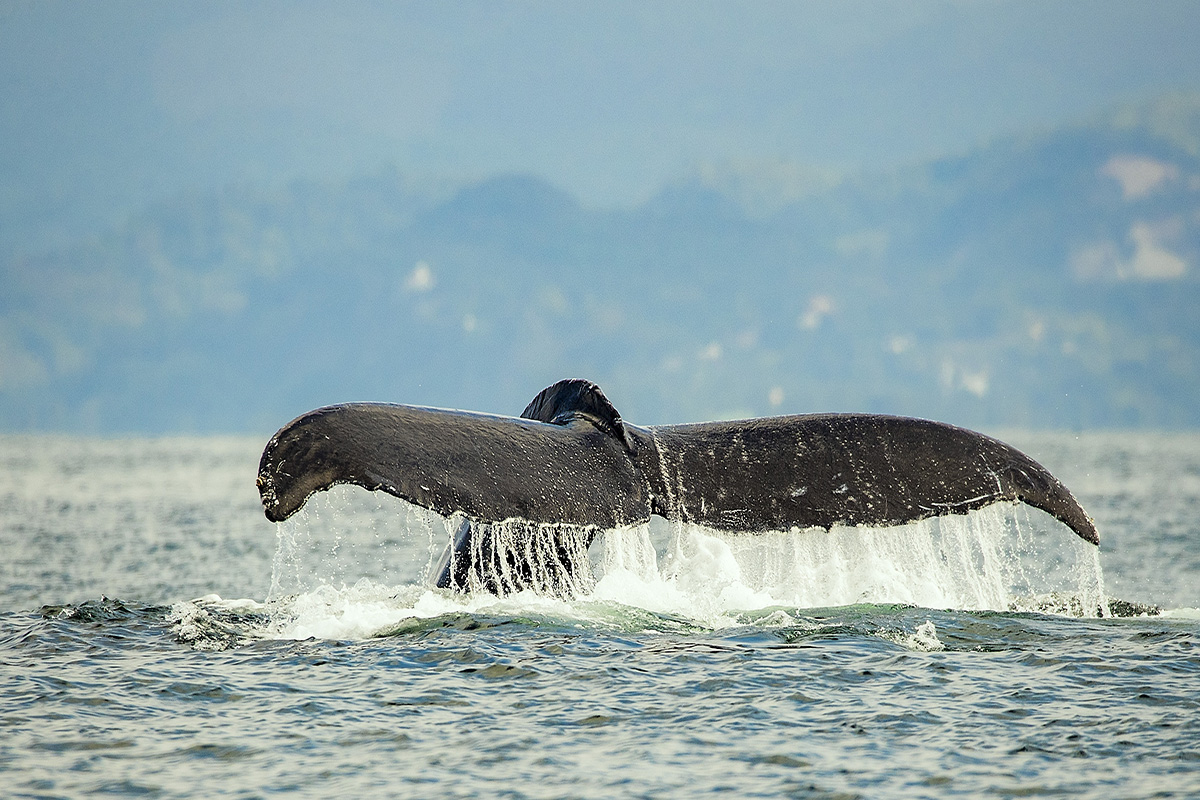
Here, every winter brings an exciting natural spectacle: impressive jumps, tail slaps cutting through the sea, and complex social behaviors that reveal the intelligence of these creatures.
In addition to enjoying this experience, this destination offers certified ecological tours that prioritize the well-being of these animals and respect for their habitat. Each boat has official guides who show passengers how to approach the whales properly. They also share valuable information about their migration, biology, and the challenges they face each year as they begin and complete their long journey.
Further north, boat routes from San Blas to Isla Isabel National Park offer a different setting for humpback whale watching.
Here, authorized tours take place in a region where the sea, islands, mangroves, and an important diversity of wildlife come together, making the search for whales part of a broader experience in contact with the natural environment.
In this destination, these majestic travelers of the oceans emerge with force, releasing a breath of life toward the sky. Their fins, like wings beneath the sea, strike the surface in a hypnotic dance, while their mysterious and ancient songs resonate in the depths.
This is not simply whale watching; it is a reminder of the wild beauty that still inhabits our planet. Tours generally last between 2 and 3 hours, depending on whale sightings and sea conditions.
When the horizon changes
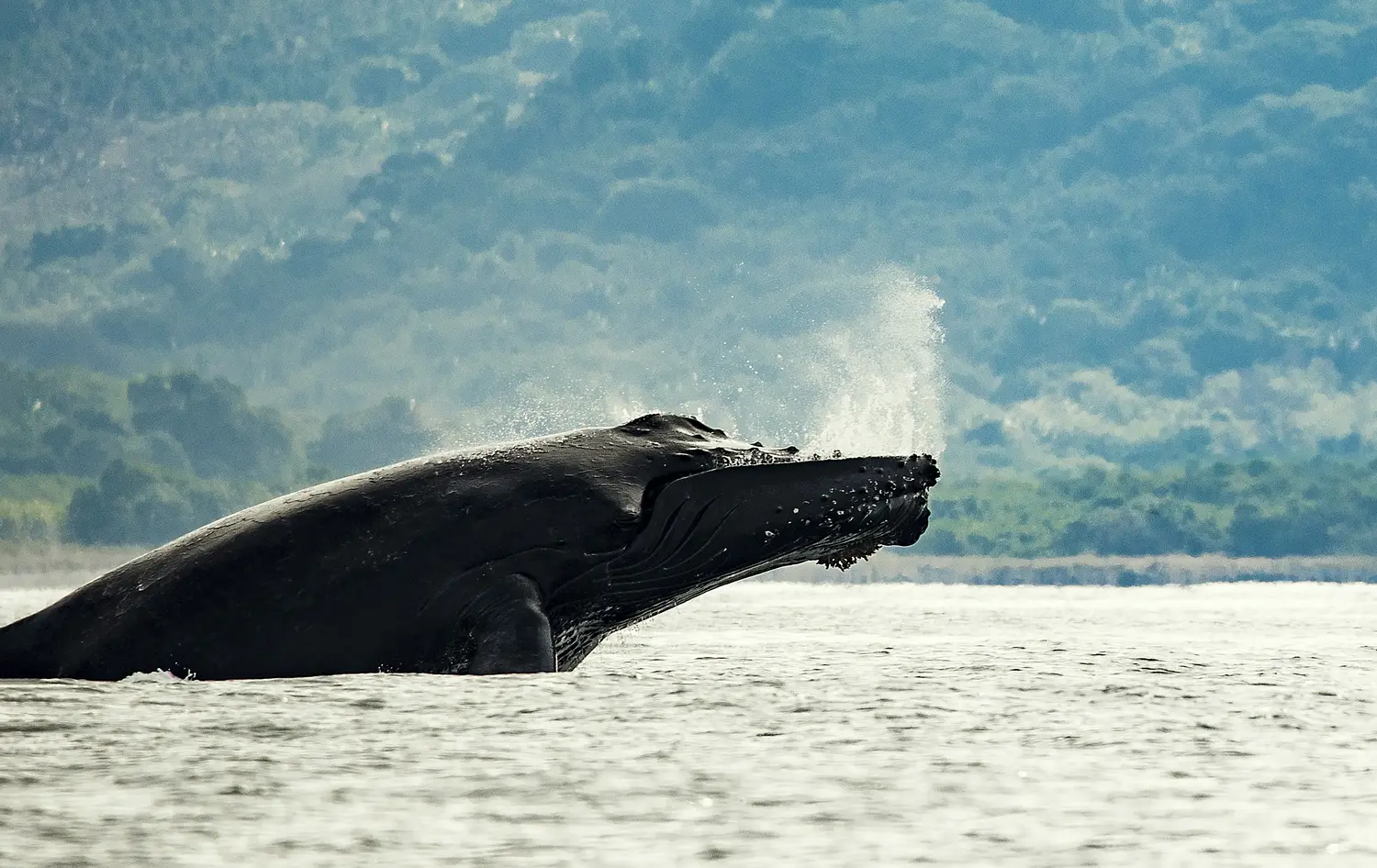
One of the unique aspects of this activity is that no two encounters are exactly alike. A trip may begin with a distant spout and continue with the movement of a fin, a tail slap, or the sudden leap of a whale.
Humpback whales can reach up to 15 meters in length. Their impressive size, combined with their characteristic movements at the surface, means that even a brief encounter can become one of the most unforgettable moments of a trip.
But it is not always about witnessing a spectacular jump. Sometimes, the most meaningful sight is a quieter moment: a female moving alongside her calf or several whales appearing on the horizon for a few seconds before disappearing beneath the water once again.
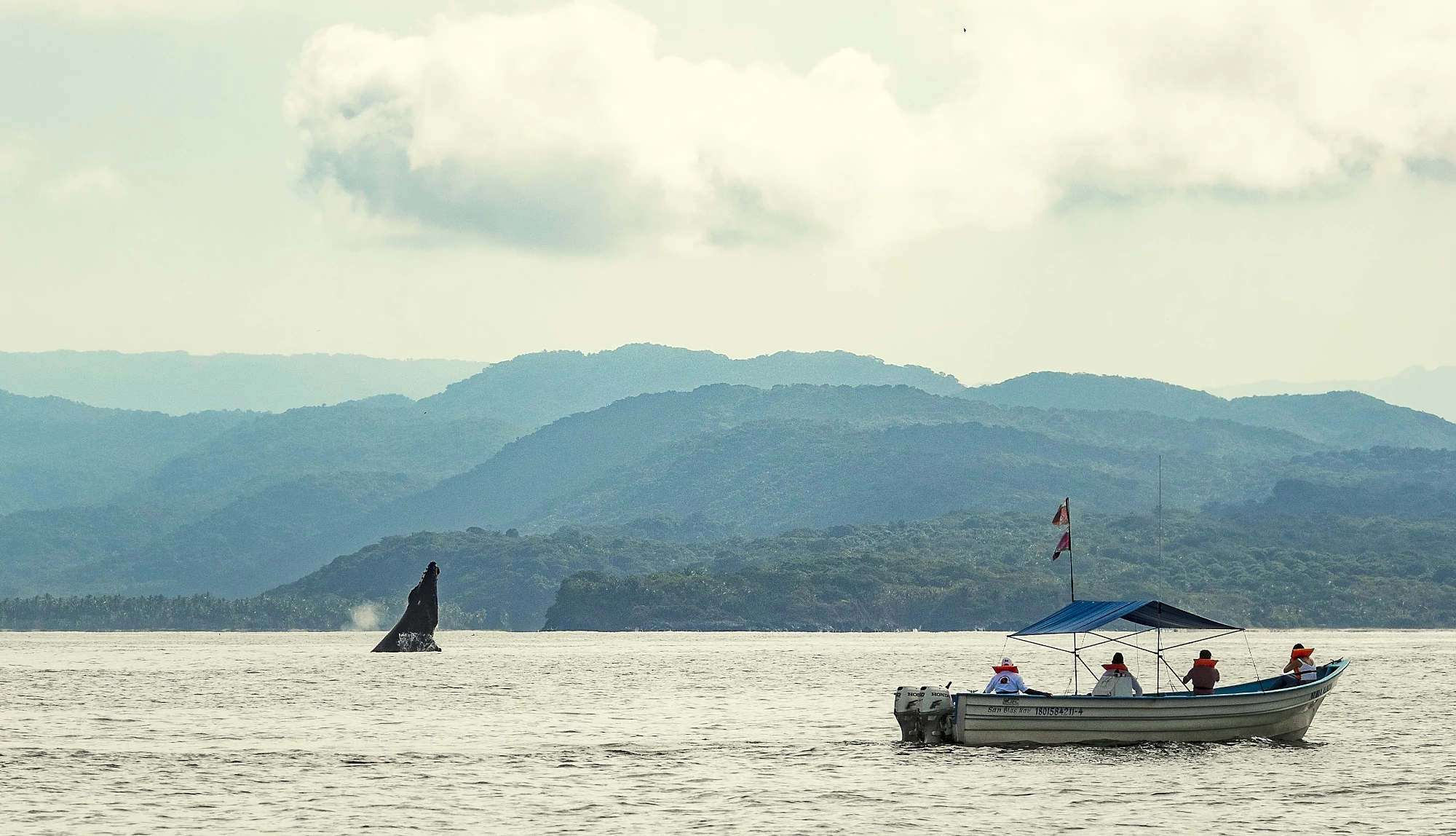
During the months of the humpback whale watching season, the coast of Nayarit takes on a different rhythm. Boats head out in search of these cetaceans while travelers keep their eyes on the horizon, waiting for the sea to reveal, even for a moment, one of its most spectacular inhabitants.
Because in the waters of Nayarit, it is not simply about watching a spectacle prepared for visitors, but about being present when nature decides to appear.
A jump, a tail slap, a mother alongside her calf, and a memory that will hardly resemble any other journey.