

Blue-throated Hummingbird, a Winged Jewel of Nayarit
Mexico is home to hundreds of bird species. Some are more striking and popular than others, but all inspire admiration, curiosity, and affection among those who enjoy observing them in their natural habitat. A perfect example is the blue-throated hummingbird, a striking bird that inhabits the mountainous areas of Nayarit and stands out for its unique characteristics.
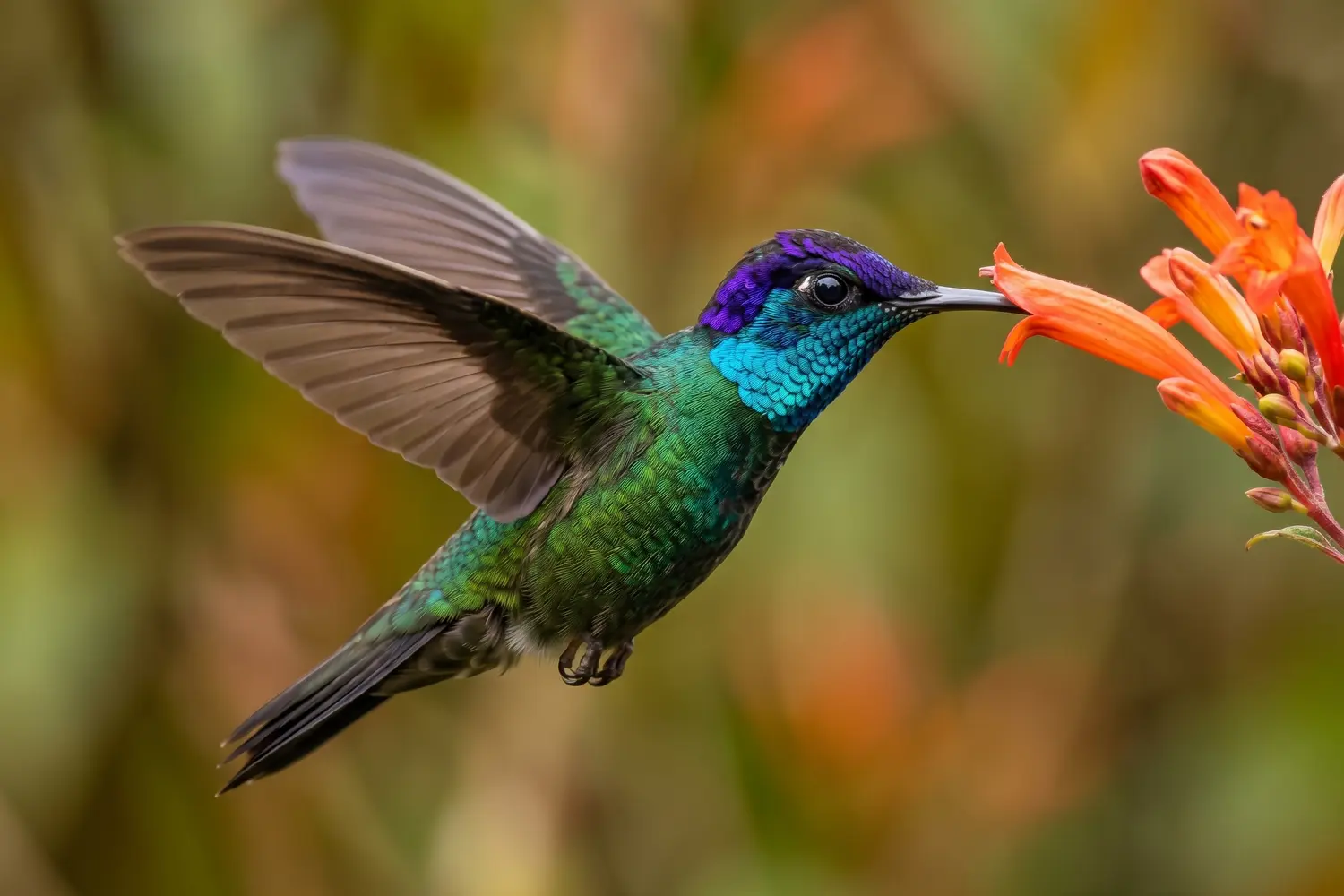
Scientifically known as Lampornis clemenciae, this hummingbird belongs to the Trochilidae family and is one of the largest hummingbird species in Mexico, measuring between 11 and 12 centimeters in length. Males and females are very similar: uniformly gray underneath, with a greenish back, brown rump, and a long, dark tail with prominent white corners. Males stand out for their bright blue throat, which contrasts with the rest of their plumage. Females, on the other hand, have more subdued coloring in this area.
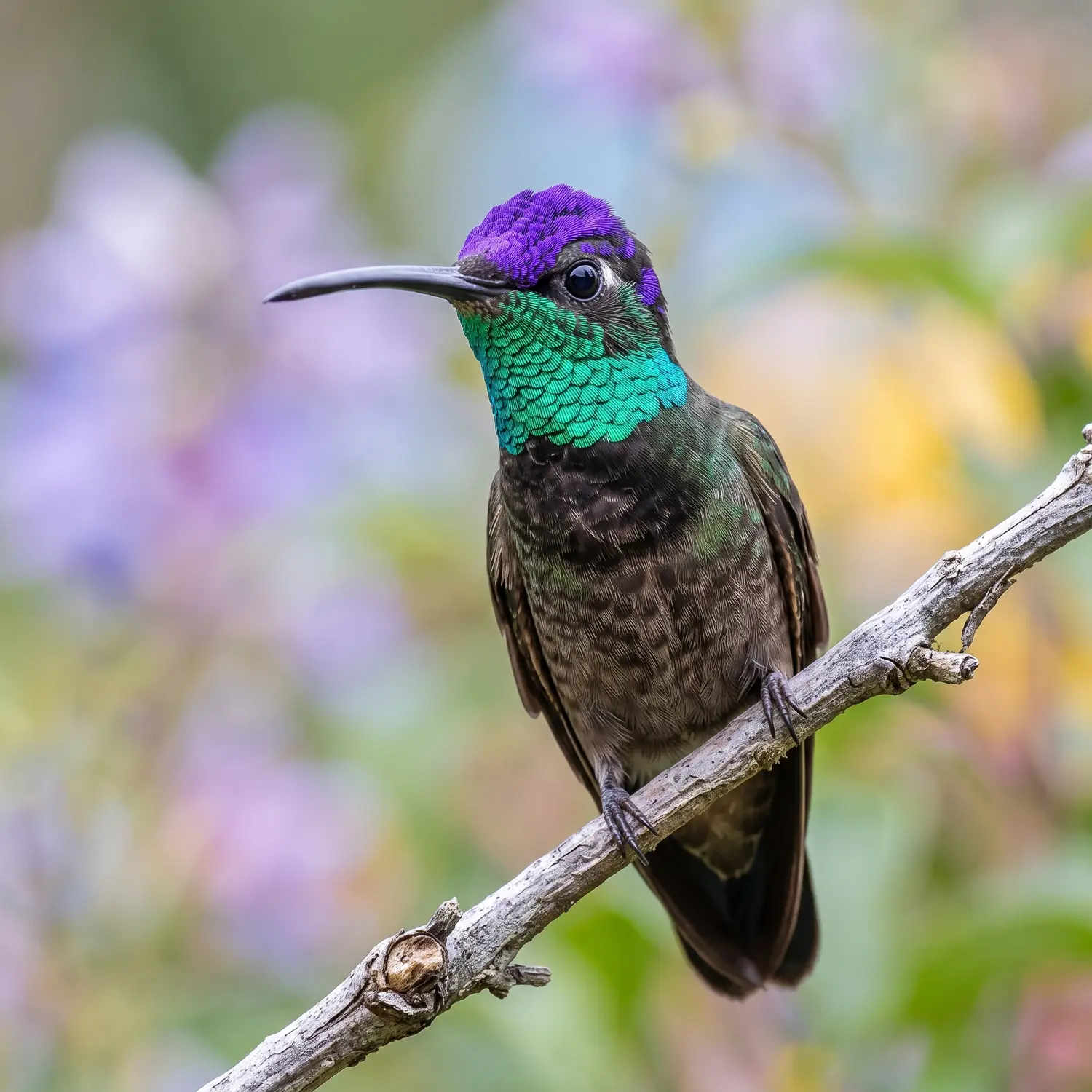
Its presence is closely linked to ecosystems where it can find food and suitable vegetation for shelter. Its diet consists mainly of flower nectar and small insects or spiders, although it also feeds on water-and-sugar mixtures provided in feeders designed for the species.
In addition, the blue-throated hummingbird differs from other hummingbirds because it is more bold and aggressive, dominating other hummingbirds and driving them away from its favorite flowers or sugar-water feeders.
During the breeding season, males perch in trees at medium height and produce a shrill, monotonous, repetitive sound. After finding a mate, the female is responsible for building the nest. It consists of a compact cup made from grass, moss, plant fibers, and spider webs, and is usually found between 0.3 and 9 meters above the ground.
Each female blue-throated hummingbird lays two white eggs and can incubate up to three broods per year. Only the female feeds the chicks, and their first flight takes place between 24 and 29 days of age.
Guadalupe Ocotán, a destination for birdwatching
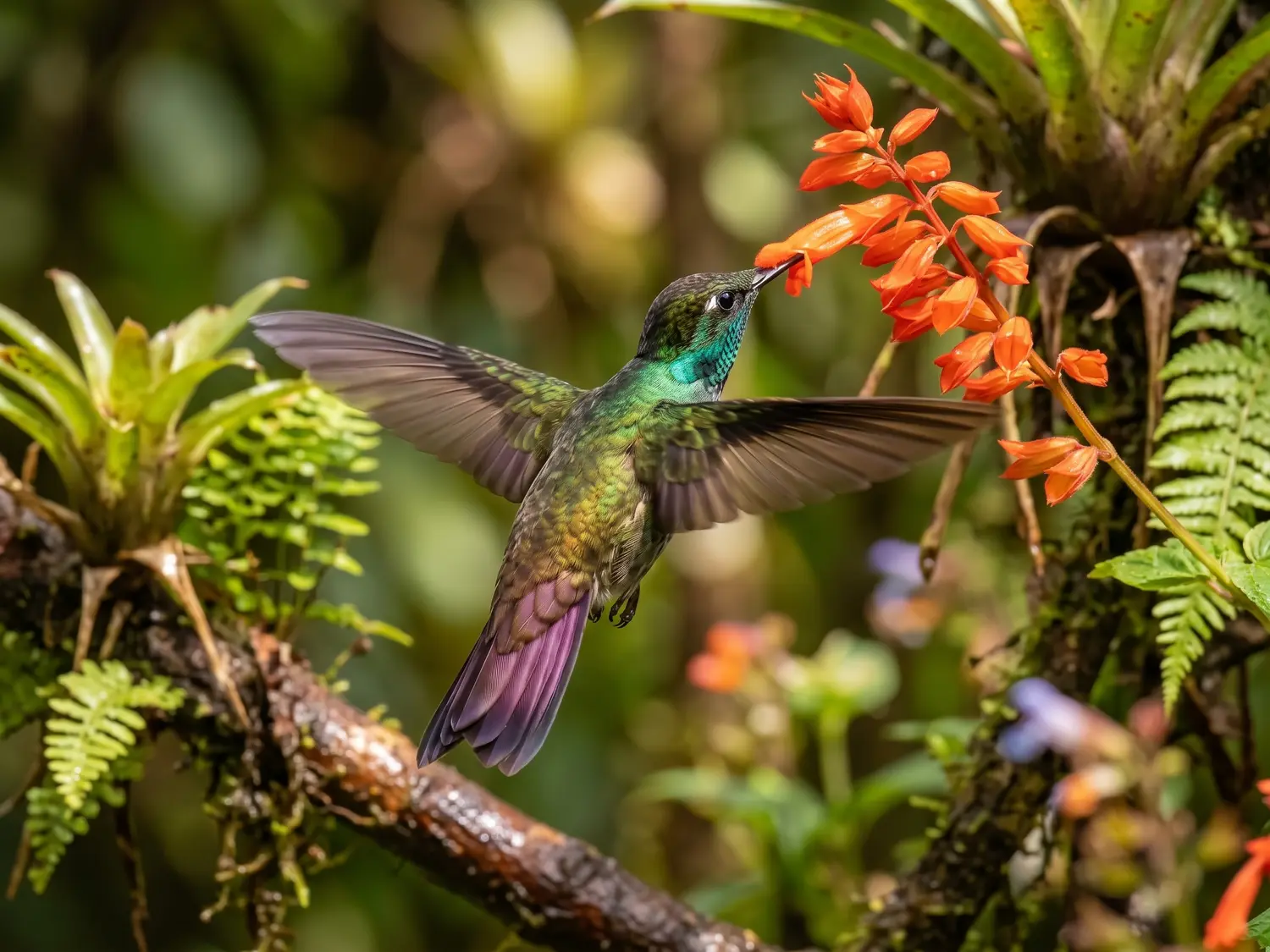
The preferred habitat of this bird includes canyons and mountains where pine and oak trees are abundant, such as those found in the mountainous region of Nayarit, specifically in the community of Guadalupe Ocotán. Known in the Wixárika language as “Xatsitsarie,” this is a setting where mist slowly descends and birdsong fills the air at dawn.
This destination belongs to the municipality of La Yesca and is an ecotourism refuge known for its pristine forests, Indigenous Wixárika heritage, and important cattle and dairy production. Thanks to these conditions, Guadalupe Ocotán offers many opportunities for those who want to observe these tiny birds.
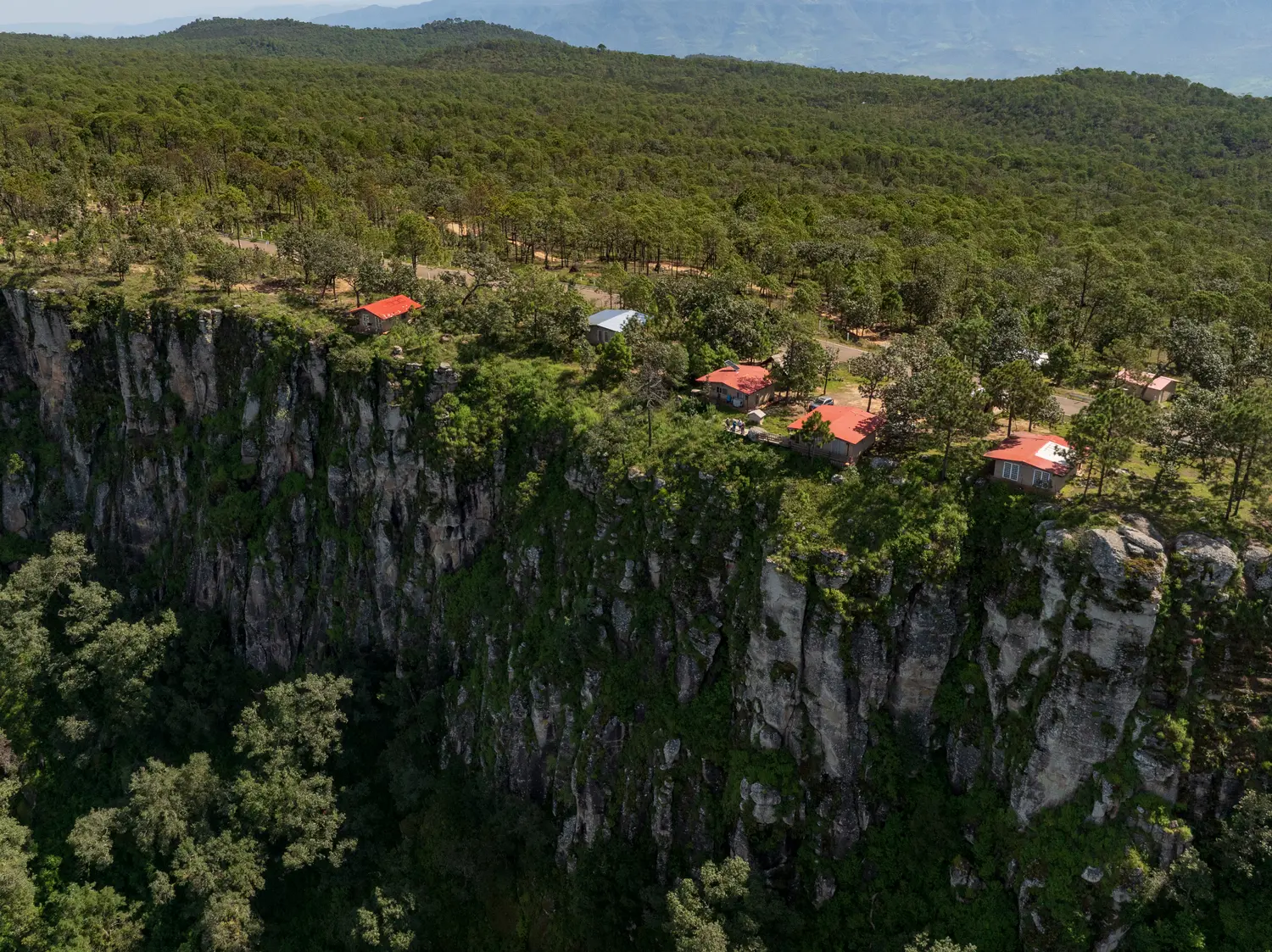
However, hummingbird watching requires patience. Their small size and rapid flight mean that they can often only be seen for a few seconds. For this reason, those who practice birdwatching or ornithological tourism—a specialized form of ecotourism that involves traveling to observe and identify birds in their natural habitat freely and respectfully—can turn those brief moments into unforgettable experiences of direct contact with Nayarit’s biodiversity.
In addition to the blue-throated hummingbird, birdwatching records in Guadalupe Ocotán have documented other hummingbird species, such as the broad-tailed hummingbird (Selasphorus platycercus) and the white-eared hummingbird (Basilinna leucotis), reflecting the area’s potential for observing these small winged species.
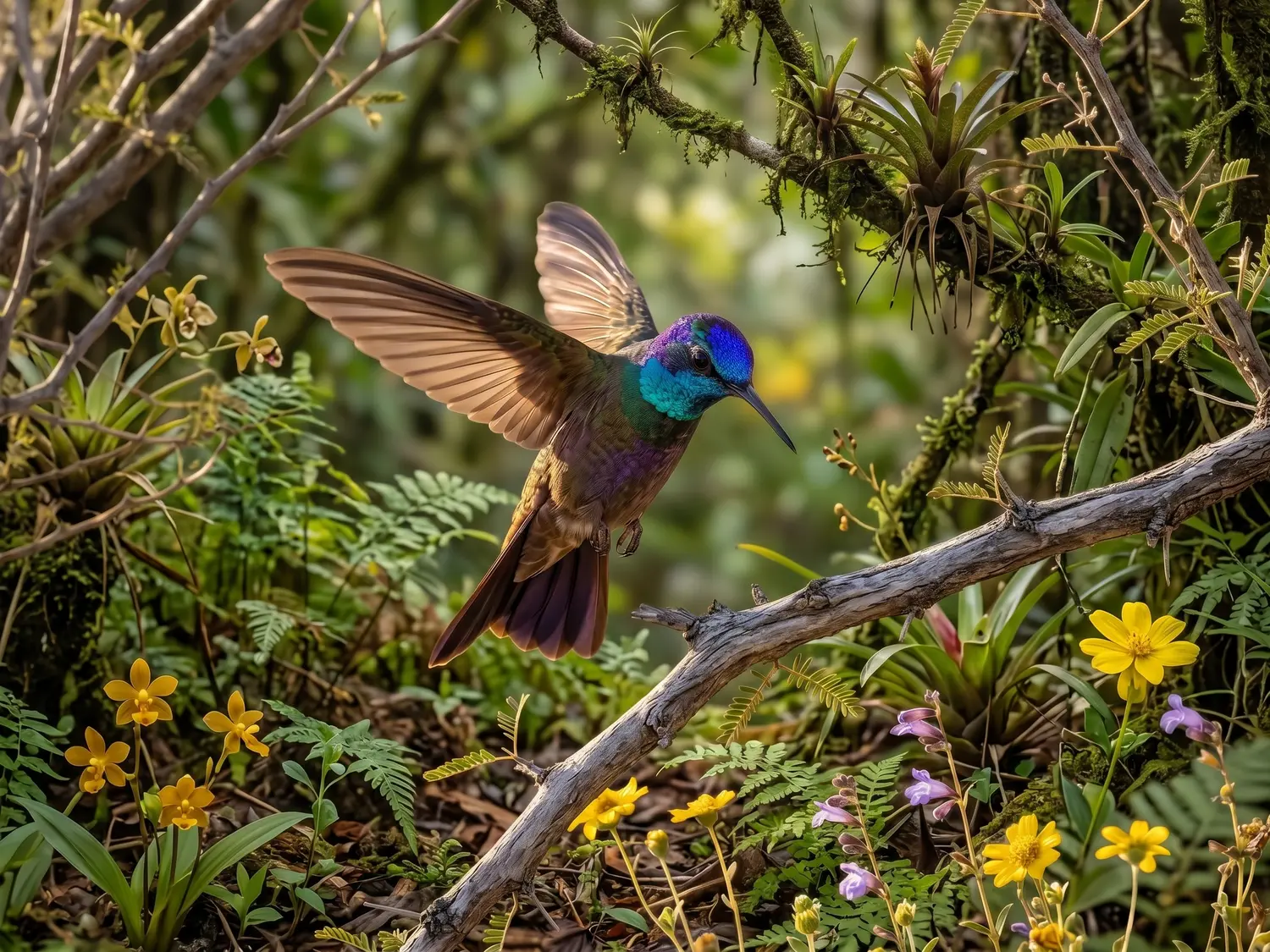
Birdwatching offers a different way to discover destinations. It is not simply about arriving at a place and searching for a particular species, but also about learning to recognize the sounds, movements, flowers, and landscapes that make up its habitat.
The mountains, forests, and natural areas of Nayarit provide an opportunity to experience biodiversity from a different perspective, creating a meaningful experience for travelers interested in nature, photography, and birdwatching.
That is why, among all these encounters, discovering the blue throat of a tiny hummingbird for just a few seconds can be enough to remind us that some of the destination’s most extraordinary experiences can be found in its own natural landscapes.
A true winged jewel of Nayarit that everyone can discover.